
Supporting critical industriesPreparedness. Security. Stability.
Fortivus supports resilience across a diverse range of critical industries, including government and defence, energy, healthcare and humanitarian sectors.
We work with clients operating in volatile, high-risk or high-stakes environments—ensuring continuity, compliance and command through ready-to-deploy kits, strategic procurement, and operational infrastructure. Each sector we serve brings unique challenges. Our solutions adapt—supporting national priorities, international mandates and frontline realities with ethical clarity and logistical precision.
-
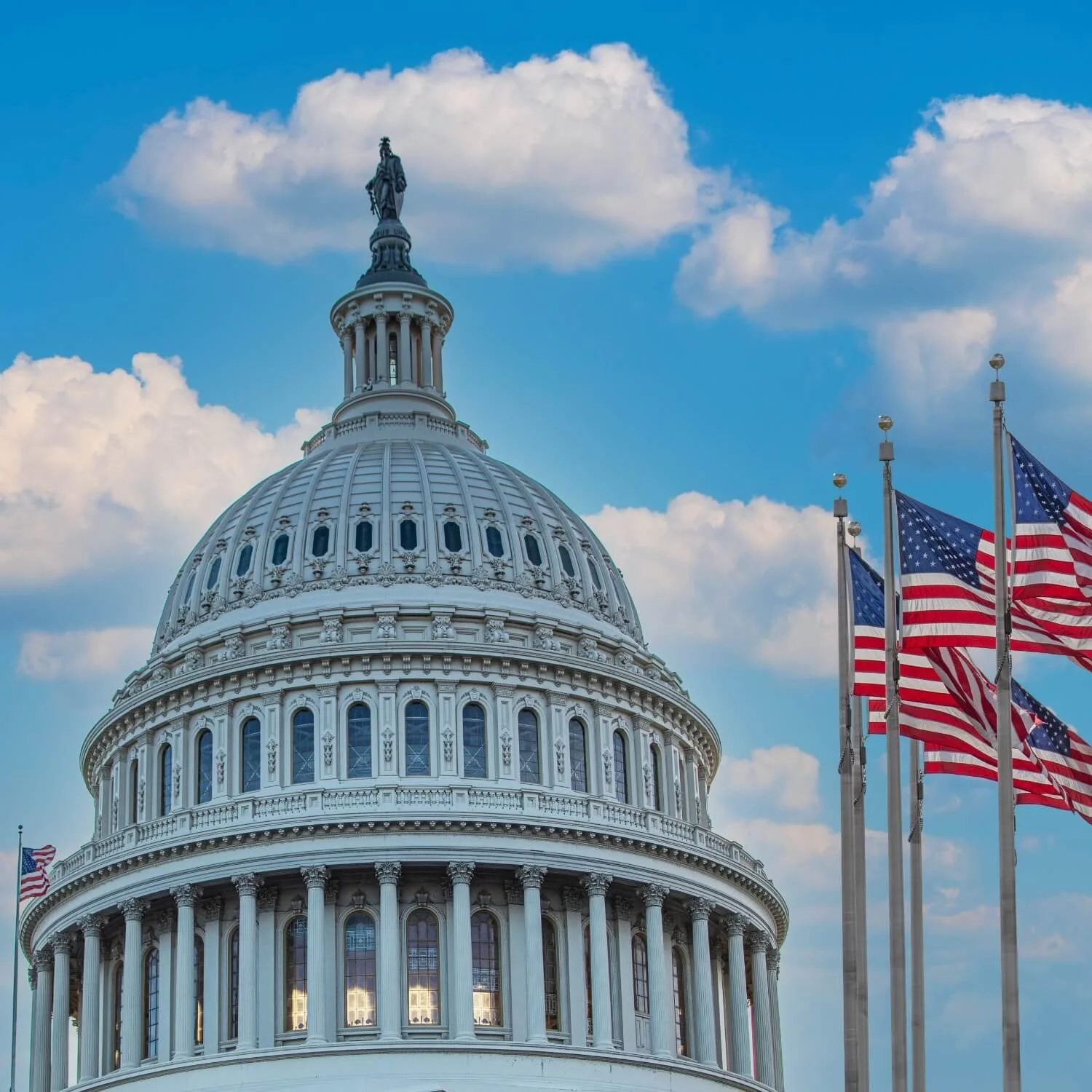
Government & Civil Protection
Strengthening national resilience through emergency preparedness, infrastructure support and strategic procurement.
-
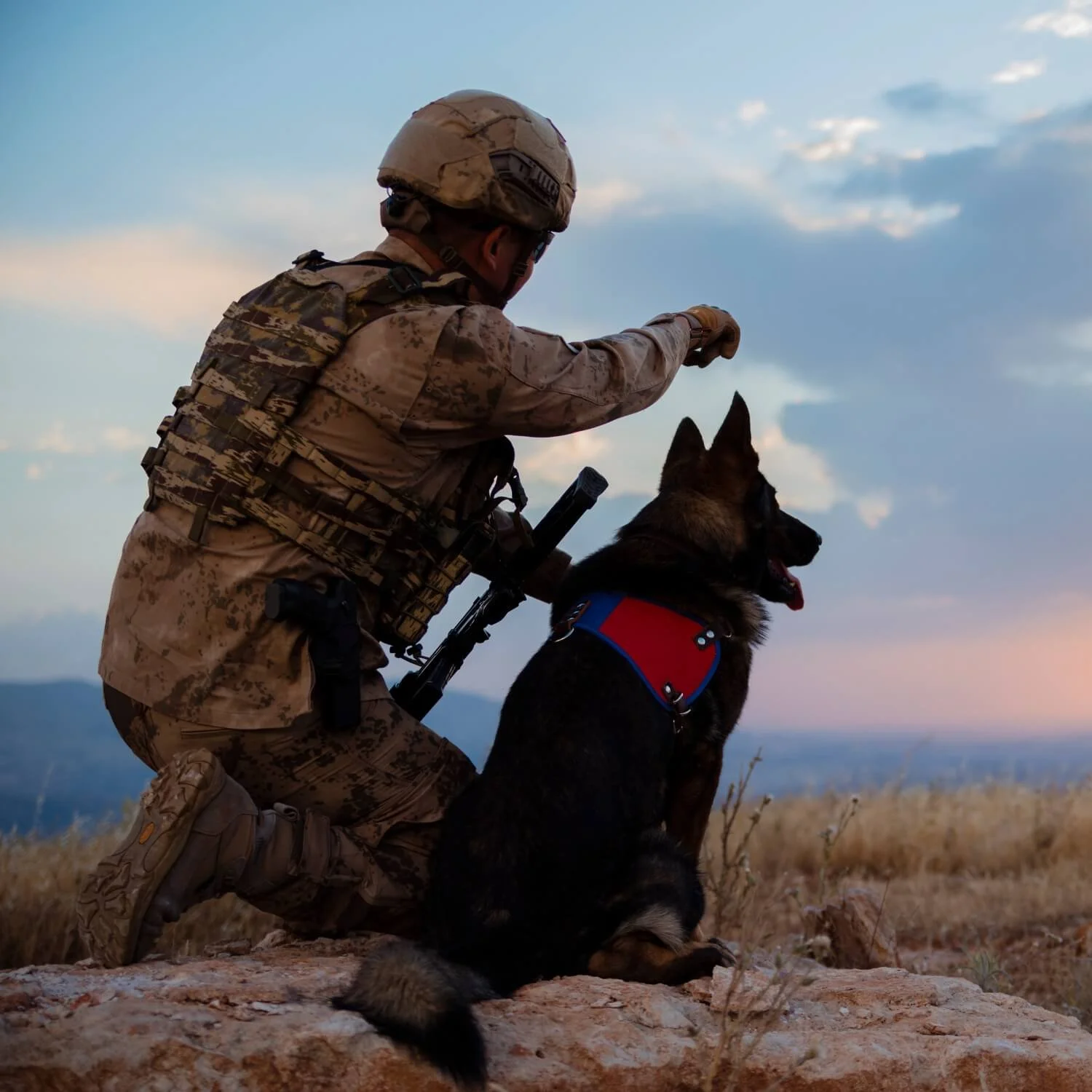
National Security & Defence
Supplying tactical, non-lethal and logistical solutions to security forces and allied defence operations.
-

Aerospace & Military Installations
Equipping airbases and aerospace partners with ground support, emergency systems and continuity planning.
-

Energy & Utilities
Safeguarding critical infrastructure through power kits, hardened systems and recovery logistics.
-

Telecoms & Data Infrastructure
Maintaining uptime and security with backup comms, protective containers and rapid deployment kits.
-

Maritime & Offshore Operations
Supporting port, shipping, and offshore platforms with tailored emergency and isolation solutions.
-

Healthcare Systems & Emergency Medicine
Delivering mobile medical kits, facility resilience tools and logistics for crisis response.
-

Humanitarian Agencies & NGOs
Enabling compliant, scalable field support for rapid deployment in disaster and conflict zones.
Frequently asked questions
Still have questions? Contact us.
-
Maintaining a steady supply is vital for essential services such as energy, healthcare, food, transport and communication during crises. Studies from the OECD and UN show that when these systems fail, it can lead to serious problems, putting public safety and the economy at risk. Governments that build strong supply chains can reduce risks, accelerate recovery, and maintain public trust during difficult times.
-
Identify key system parts, understand how they depend on each other and create plans to respond to failures. Connect policy choices directly to operational capabilities rather than relying on outdated emergency plans. Research shows that organisations with strong continuity planning recover better from disasters.
-
Most critical services, such as power, transportation and communications, are run by private companies. To manage crises effectively, the government must work with these companies by sharing risks and establishing clear procedures, thereby greatly improving our response.
-
Modern conflicts often focus on critical infrastructure, such as power plants, transport hubs, ports and communication networks. When these are disrupted, it causes widespread problems that quickly affect food distribution, healthcare and essential services. Countries that rely on imports and urban populations are especially vulnerable.
-
Emergency response measures alone are inadequate in the face of prolonged disruptions, as repairing damaged infrastructure often takes considerable time. Proactive preparedness is necessary for maintaining services during tough circumstances. Global evidence indicates that investments in preparedness not only expedite the restoration of services but also significantly enhance resilience in the face of adversity.
-
Global security of supply and critical industry resilience
The economies and societies we live in today are built on a complex web of interconnected systems. Energy, communications, transport, healthcare, food supply and defence infrastructure no longer exist in isolation - and a disruption in one sector can quickly spread across borders, industries and populations.
As a result, security of supply has become a top priority for governments, institutions, and critical industries worldwide. It's about more than just stockpiling or crisis management - it's about long-term preparedness, operational continuity and being able to hold up under sustained pressure for as long as it takes.
Fortivus is all about supporting this shift from reactive crisis management to proactive resilience and readiness.
-
Security of supply in a global context
Security of supply is about ensuring you have a steady supply of the things you need to keep going, even in the face of disruption. And in today's world, that's a global challenge.
Global supply chains are complex networks of producers, logistics providers, data systems and energy inputs - and they're under increasing pressure from things like geopolitical tensions, economic fragmentation, climate stress and technological disruption.
For governments and critical industries, security of supply means:
Not relying on just one supplier, one route or one region
Being able to get the essential materials and services you need when things go wrong
Being able to keep going even when conditions get bad
Preparing for prolonged or overlapping crises rather than just reacting to one-off events
-
The evolving threat environment
Critical industries are operating in a world where threats are converging and compounding on each other. These threats don't happen in isolation - and often they cause more to happen.
Geopolitical and hybrid threats
Armed conflict, strategic competition and economic coercion are all now targeting supply chains, infrastructure and logistics networks - and that's on top of traditional hybrid threats like cyber ops, disinformation and trade disruption.
Supply chain disruption
Globalised production and just-in-time logistics have made us more vulnerable to bottlenecks, shortages and transport failures. And those disruptions can come from anywhere - conflict, sanctions, industrial accidents or even changes in the global geopolitical landscape.
Cyber and information risks
Digital systems are now the backbone of everything from energy grids to communications networks to transport and logistics - and that makes them a high-risk area for cyber attacks on operational tech, data infrastructure and command systems.
-
Energy and resource insecurity
Volatility in energy markets, fuel availability and critical raw materials is affecting every sector - and that's making us all more vulnerable in areas like healthcare, communications and defence.
Climate and environmental stress
Extreme weather, flooding, heatwaves and environmental degradation are all putting sustained pressure on infrastructure, logistics and population safety - and that's on top of geopolitical and economic risk.
Public health and mass-casualty events
Pandemics and large-scale emergencies are putting a strain on healthcare systems, supply chains, and civil protection capacity - often for extended periods.
-
Objectives of resilience and preparedness
Effective resilience planning is all about outcomes, not scenarios. And while the threats are changing all the time, the objectives of preparedness remain consistent, whether you're in a hospital, a factory or a government.
Some of the key objectives of preparedness include:
Keeping essential services running even when things go wrong
Being able to keep going under prolonged stress
Protecting civilians, personnel and assets
Preserving trust and credibility with the public and other stakeholders
Getting back to normal as quickly as possible after a crisis
Preparedness isn't just about having a plan - it's also about being physically ready, having the logistics capability to respond, making clear decisions, and acting under pressure.
-
Methods and tools for resilient operations
Resilience is about strategic planning, material readiness and operational execution - and at Fortivus, we've got a range of methods and tools designed to deliver just that.
Strategic stockpiling and redundancy
Having access to the essential goods and equipment you need during a disruption depends on advance planning - and that's where we come in.
Ready-to-deploy resilience kits
We design and supply modular, scalable kits that can support continuity in areas such as energy, communications, medical response, and field operations. These kits can cover both civilian and dual-use requirements.
Logistics and fulfilment capability
Preparedness just isn't possible without delivery - and that's where our logistics, warehousing and rapid deployment capabilities come in.
Infrastructure readiness
Critical infrastructure needs to be protected, backed up and ready to recover as quickly as possible - and that's where we come in.
Ethical and compliant procurement
We operate to clear compliance standards and transparency - and that means we can support responsible procurement across sensitive sectors.
-
Continuity management as a strategic discipline
Continuity management is all about being able to keep going during disruption - and then getting back to normal as quickly as possible.
For governments and critical industries, continuity management involves:
Identifying essential functions and dependencies
Planning for degraded operating environments
Ensuring personnel readiness and decision continuity
Maintaining access to critical resources and information
Testing assumptions through structured preparedness
At Fortivus, we're all about supporting the shift from reactive crisis management to proactive resilience and readiness. Continuity isn't just something you worry about in your corporate office - it's a vital concern for everything from national infrastructure to emergency services to humanitarian operations.
-
Public–private cooperation at scale
You can't just rely on the government to keep things running smoothly in a crisis - or in normal times either. Critical infrastructure, logistics capacity, production know-how, and technical expertise are often the domain of private companies.
Effective resilience depends on a bit of give-and-take between the public and private sectors - built on a clear understanding of what each side can contribute to the effort.
Fortivus can support this kind of partnership by:
bridging the gap between what the authorities need and what the private sector can deliver
coming up with solutions that can be scaled up or down depending on the situation - whether you're working nationally or across multiple countries at once
making it possible to coordinate efforts with the government, with operators of critical infrastructure and with the companies that supply all of this stuff
making sure that preparedness efforts reflect the real world - not some idealised or unrealistic scenario
This approach can really make a difference to resilience - without sacrificing accountability or giving up any of the autonomy that you need to operate effectively in a crisis.
-
Sector-specific application across critical industries
Whilst the basic principles of resilience apply everywhere, the way we apply them can vary wildly depending on the sector.
For government and civil protection, it's all about getting the population prepared for emergencies - along with keeping public services running and coordinating a crisis response.
When it comes to security and defence, the focus is on operational endurance, safe logistics and being ready to roll in a hostile environment.
Energy and utilities need to protect their infrastructure, build redundancy in, and be ready to recover quickly from a major disruption.
Telecoms and data infrastructure require keeping the lights on, along with physical protection and secure backup systems.
For maritime and offshore operations, it's all about managing the risk of being cut off, the logistics challenges of operating in such an environment and the risks from the weather
In healthcare systems, it's surge capacity, getting the right supplies on time and keeping care going even in the toughest of times.
Humanitarian agencies and NGOs need to be able to deploy quickly, comply with the rules and be resilient in the face of an unstable or hostile environment.
At Fortivus, we adapt to the unique risks and challenges that each sector faces.
-
Aligned with international resilience frameworks
Our approach to resilience reflects the kinds of principles that have been recognised across the globe, as set out in the likes of:
United Nations Office for Disaster Risk Reduction (UNDRR)
United Nations Development Programme (UNDP) – Crisis prevention and resilience
OECD work on critical infrastructure and supply chain resilience
North Atlantic Treaty Organisation on Resilience, Defence and Deterrence (NATO)
World Economic Forum - Global Risks
Get in touch
Do you have a specific question, or would you like to hear more? Please leave us your email address and phone number, and we will get back to you.
Your privacy is important to us. When filling out this form, please read our Privacy Policy.

Legal
Company
Solutions
Fortivus
Rotermanni 6
Tallinn, 10111
Estonia
© 2026 · Strategic Readiness & Resilience OÜ (Ltd). Reg. No. 17381354. VAT No. EE102928475. All Rights Reserved.