

DEPLOYING READINESS WORLDWIDEReadiness. Integrity. Continuity.
From rapid-deployment crisis kits to secure dual-use delivery, Fortivus’ services are designed for urgency, compliance and resilience.
Each solution is tailored to the environment, whether in high-risk environments or in preparation for them. We adhere strictly to EU regulations, export controls and ethical procurement standards.
-
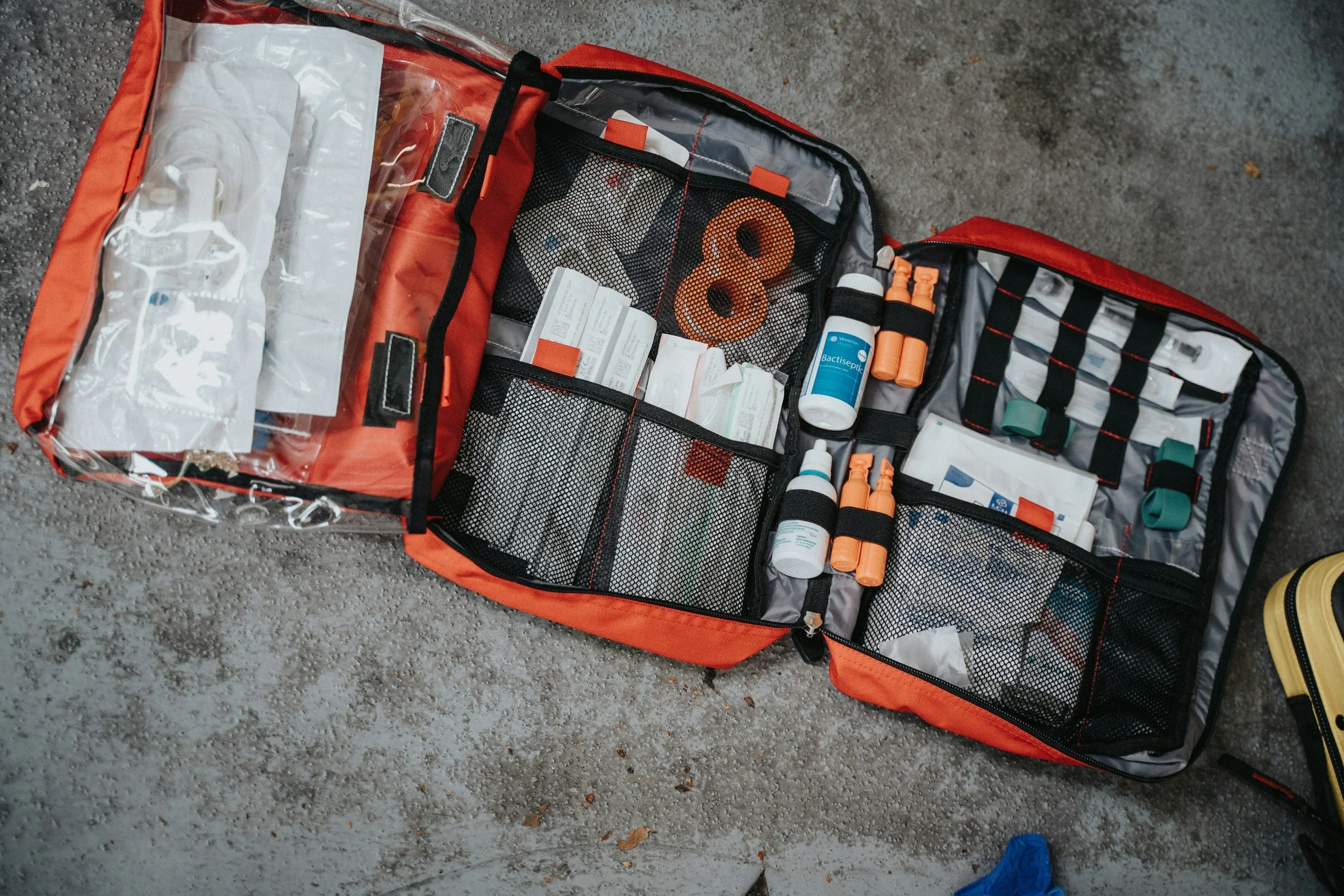
Emergency & Preparation Resilience Kits
Compact crisis packets, including water purification, high-energy rations, lighting, medical essentials, and power devices—ready to deploy—support first responders, humanitarian teams, and civil protection forces.
-
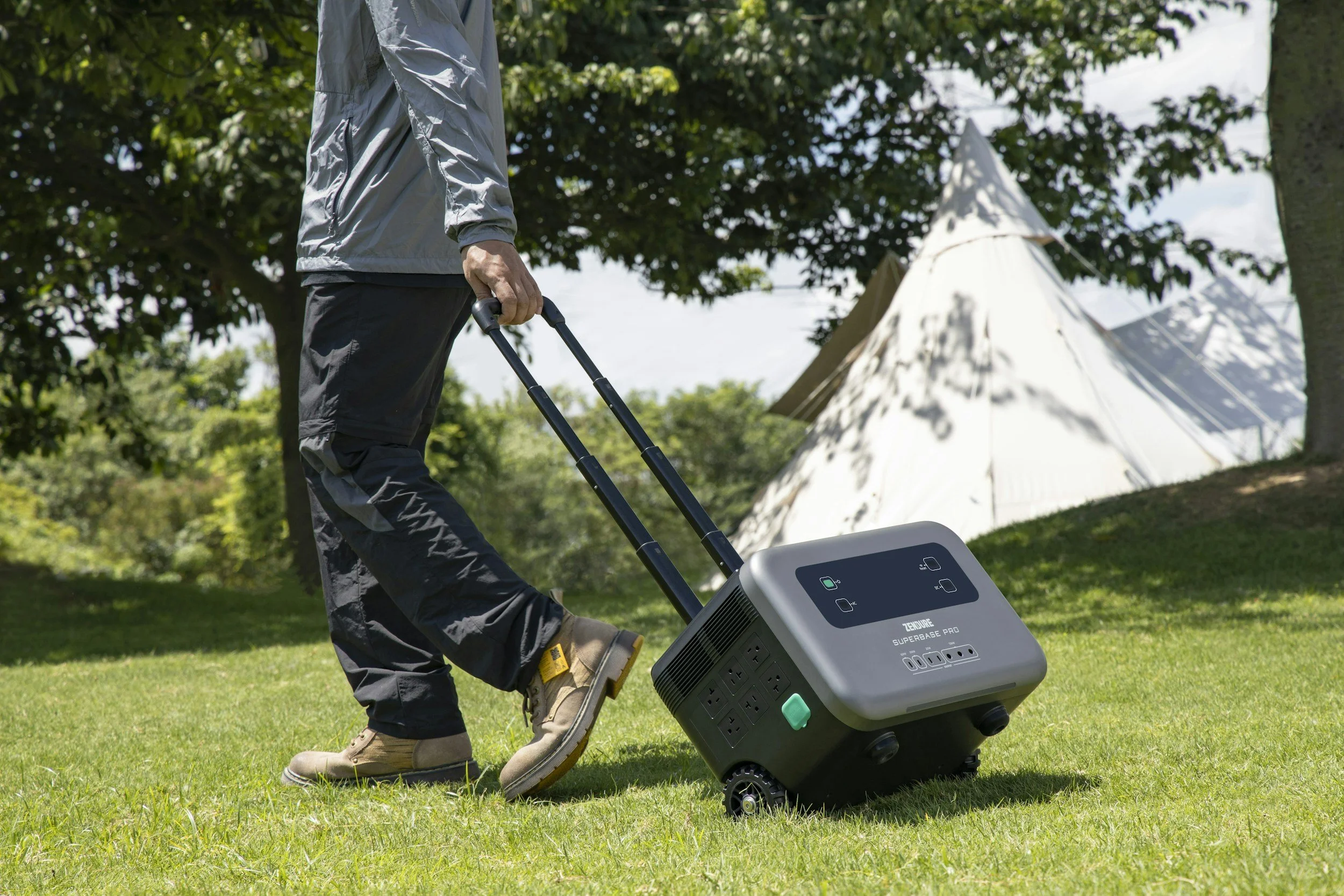
Dual-Use Fulfilment
End-to-end packaging, storage and international delivery of sensitive and strategic goods from secure hubs across Europe — including warehousing, documentation and export clearance.
-

Infrastructure Readiness
Rapid-response services and hardened systems to support energy, telecoms, aerospace and offshore infrastructure, including digital resilience and system continuity integration.
-
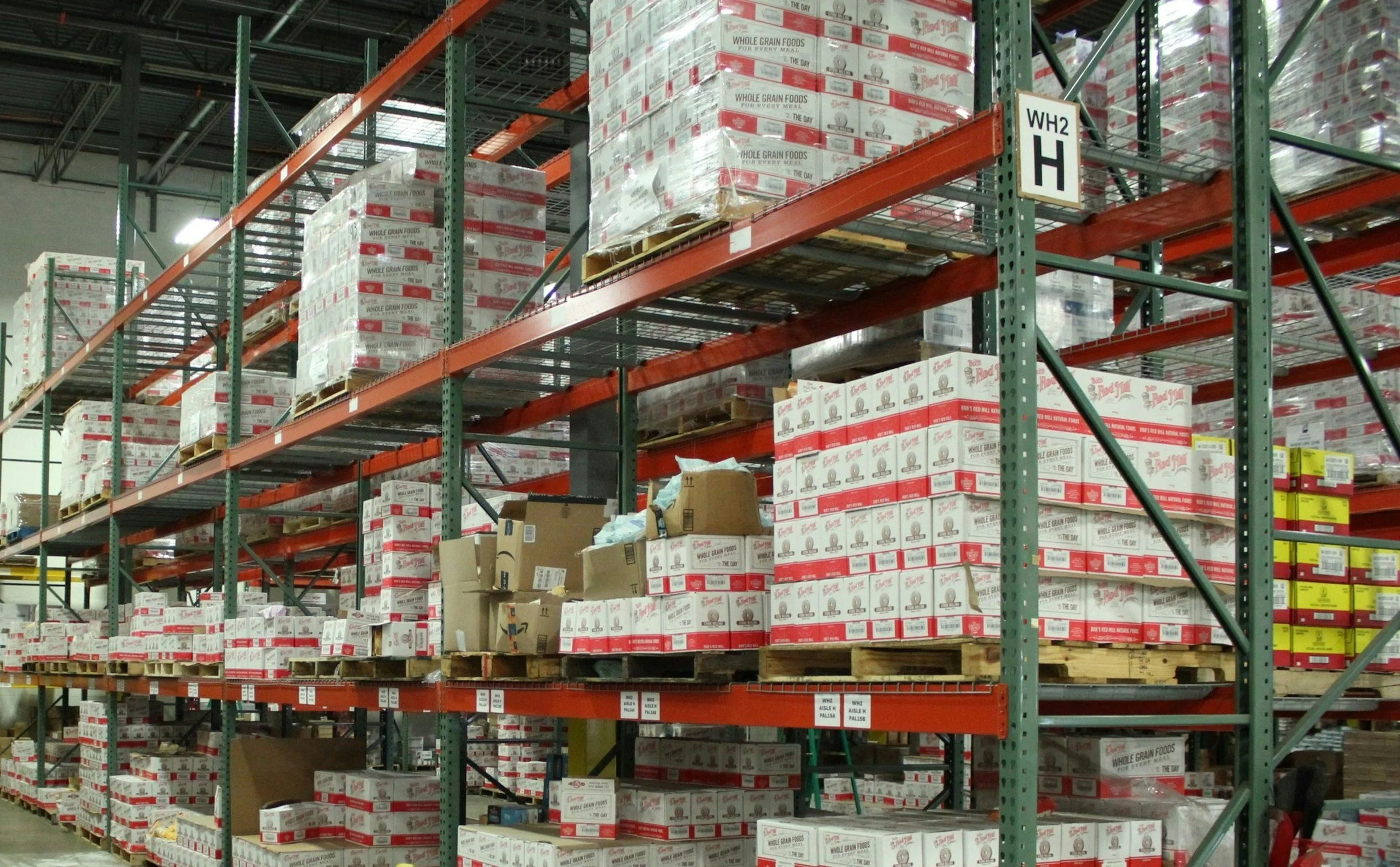
Strategic Procurement
Government-grade sourcing of critical gear and technologies with full regulatory, technical and logistical oversight.
-
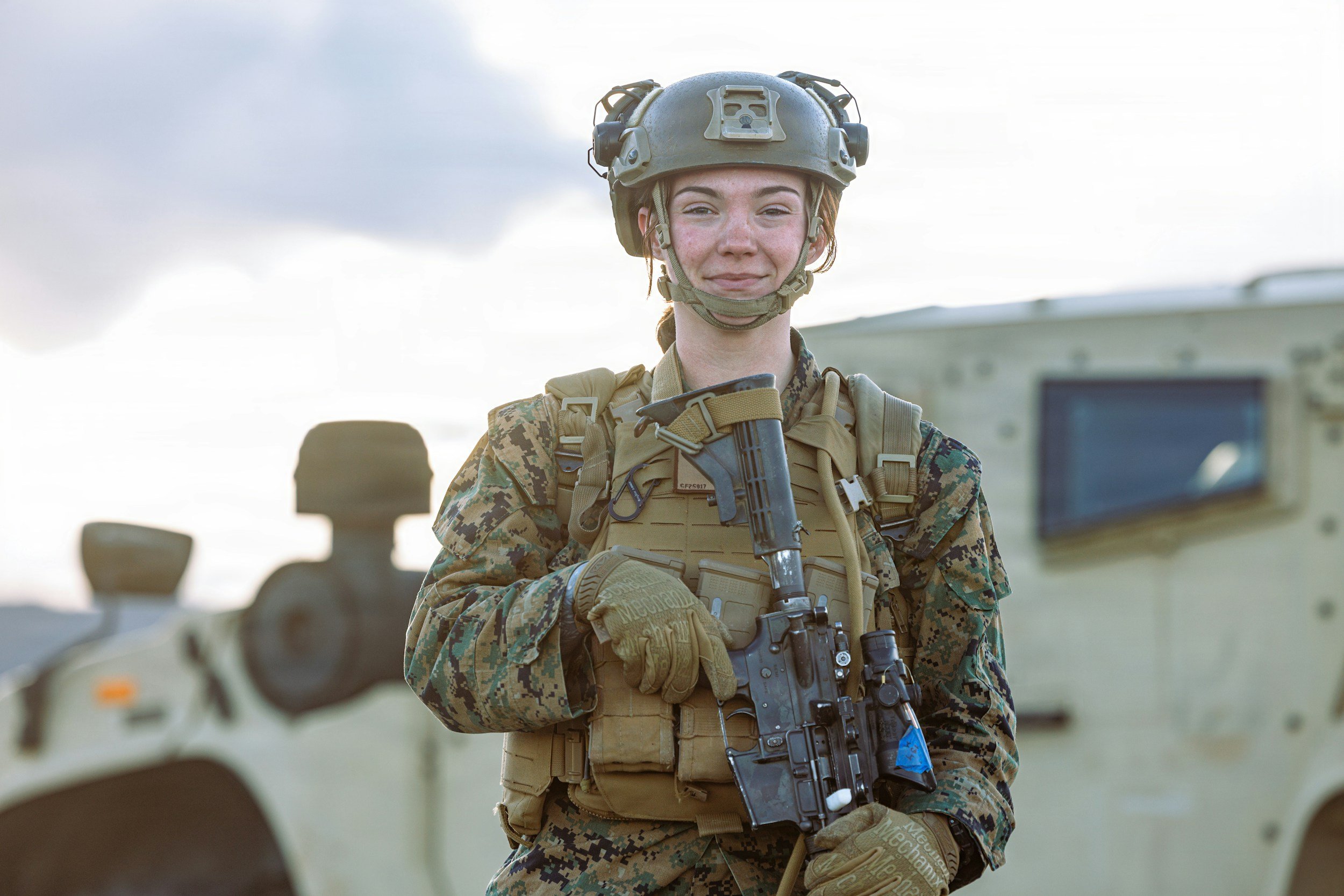
Institutional Equipment & Regulated Supply
EU-compliant brokering, classification and supply of approved field kits, tactical wear and mission-specific military-grade tools for allied forces, peacekeeping missions and national response units.
EU-compliant brokering, licensing and supply of controlled and restricted equipment for authorised government and defence entities.
-

Bespoke Resilience & Capability Structuring
Fortivus structures tailored resilience and capability solutions in response to defined risk environments, operational directives and institutional mandates.
Engagements are configured in accordance with applicable regulatory, licensing and compliance frameworks.
FAQs
What types of services does Fortivus provide?Fortivus provides strategic procurement, logistics coordination and stockpiling support for resilience and preparedness. Services focus on enabling continuity through compliant sourcing of third-party equipment rather than manufacturing or direct service delivery.
Does Fortivus manufacture or deliver turnkey emergency kits?No. Fortivus does not manufacture products or provide turnkey emergency services. It supports clients by sourcing approved third-party equipment and coordinating procurement, logistics and readiness in line with regulatory and ethical requirements.
How are Fortivus services typically engaged?Fortivus services are typically engaged through structured procurement discussions, framework arrangements or tender processes. Engagements are shaped by client requirements, compliance constraints and operational context.
-
Resilience and preparedness services
Resilience and preparedness services are designed to address a key challenge faced by governments, institutions, and critical operators: securing essential capabilities before disruptions occur and maintaining operations under pressure.
In today’s complex risk environment, it is no longer effective to separate emergency response from long-term planning. Institutions need services that provide immediate access to critical equipment while offering structured support for future readiness.
Fortivus’ services align with this integrated approach. Instead of focusing solely on theoretical concepts or one-time supplies, resilience services support decision-makers throughout the entire preparedness lifecycle: anticipation, acquisition, readiness, response, and recovery.
This approach reflects recognised best practice for continuity planning, aligned with ISO 22301 business continuity principles.
-
Immediate product access and emergency response capability
In crisis scenarios, the speed and reliability of access to resources are more important than the variety of choices available. Preparedness services focus on pre-qualified suppliers, rapid mobilisation, and logistic certainty.
Immediate access to critical equipment is essential for healthcare providers, civil protection agencies, energy companies, and infrastructure operators. This equipment includes personal protective gear, field tools, communication devices, power systems, and deployable support assets that can be quickly distributed. The value of these resources lies not only in their availability but also in the assurance that they meet regulatory, safety, and operational requirements during stressful situations.
Supply chain models have evolved as a response to repeated global disruptions. Many organisations are shifting away from purely just-in-time procurement to strategies that include stockpiling and redundancy planning. By increasing safety stock, diversifying suppliers, and pre-arranging delivery mechanisms, institutions can reduce their exposure to transportation disruptions, export controls, and sudden spikes in demand.
Preparedness services also enable on-demand response capability, allowing organisations to quickly source, assemble, and deploy essential goods during live incidents—whether caused by conflict, infrastructure failures, natural disasters, or public health emergencies.
Rapid procurement is not simply ad hoc purchasing; it relies on pre-screened suppliers, compliance checks, and established logistics pathways that can function effectively under pressure.
-
Long-term strategic preparedness and continuity support
Short-term responses without long-term planning can lead to fragility. For this reason, resilience services are increasingly incorporating structured consultancy that integrates preparedness into governance, procurement, and operations.
Operational resilience support typically begins with risk and dependency assessments. Institutions must identify which systems are critical, how they rely on external suppliers or infrastructure, and where single points of failure may exist. Effective continuity planning connects these insights directly to procurement and capability decisions, rather than treating them as mere theoretical documents.
Strategic preparedness services also assist with crisis planning and leadership readiness. This includes developing clear decision-making frameworks for emergency escalation, clarifying roles across agencies or departments, and ensuring that senior leadership understands the trade-offs before crises occur. Preparedness is most effective when policy intent, operational reality, and procurement execution are aligned.
Supply chain mapping and risk analysis have become essential components of this work. Institutions increasingly require visibility beyond just tier-one suppliers, identifying geographic, regulatory, or political risks that may impact access to essential goods. This approach enables proactive mitigation rather than reactive responses.
Finally, maturity and readiness assessments help organisations track their progress over time. Structured assessments provide a baseline for governance, coordination, stockpiling, logistics, and continuity planning, enabling institutions to prioritise investments that yield the greatest gains in resilience.
-
Capability building through resilience services
Effective preparedness relies on sustained capabilities rather than one-off interventions. Therefore, services focus on developing institutional muscle memory and decision-making confidence.
Business continuity and disaster recovery support encompass both physical and organisational systems. This includes planning for IT recovery, data protection, facility disruptions, and workforce availability, ensuring that essential functions can continue even when normal operations are hampered.
Training and simulation are essential components of this process. Tabletop exercises, scenario testing, and crisis simulations identify gaps in plans, communication, and decision-making authority before any real-world consequences arise. Regular exercises enhance coordination across agencies and reduce delays during actual incidents.
Data-driven decision support plays an increasingly critical role. Real-time monitoring, risk dashboards, and prioritisation tools help institutions quickly interpret complex situations and allocate resources effectively. Thus, preparedness services support not only planning but also operational decision-making under uncertainty.
Regulatory and compliance alignment is fundamental to all of this work. Institutions must adhere to evolving requirements for critical infrastructure protection, cybersecurity, supply chain security, and continuity management. Preparedness services foster compliance not merely as a formality, but as a framework for building lasting operational resilience.
-
Resilience services designed for critical sectors
Resilience and preparedness services are applicable across sectors, though their implementation varies by context. Healthcare systems prioritise surge capacity and the continuity of care. Infrastructure operators focus on maintaining uptime, managing repair logistics, and ensuring workforce safety. Government and civil protection agencies require scalable, compliant capabilities that can operate across multiple jurisdictions.
Fortivus’ services are designed to meet these sector-specific needs by combining procurement discipline, logistical coordination, and preparedness planning into a cohesive strategy.
Preparedness is not merely a theoretical exercise; it involves making decisions in advance, supported by services that can function effectively when conditions deteriorate.
Get in touch
Do you have a specific question, or would you like to hear more? Please leave us your email address and phone number, and we will get back to you.
Your privacy is important to us. When filling out this form, please read our Privacy Policy.